Overview

In the pharmaceutical industry, quality is one of the most important factors in developing and delivering reliable healthcare products. Unlike many other industries, pharmaceutical manufacturing directly impacts people's health, which makes consistency, safety, and product reliability essential at every stage.

A pharmaceutical product goes through several controlled processes before it reaches the market. From selecting suitable raw materials and developing formulations to manufacturing, testing, packaging, storage, and distribution, each stage requires appropriate quality practices.

At HN Cure Pharma, quality is an integral part of our approach to pharmaceutical products. Our focus on controlled processes and quality-oriented practices supports our commitment to delivering reliable healthcare solutions.

How Quality Standards Shape Better Pharmaceutical Products

Overview

In the pharmaceutical industry, quality is one of the most important factors in developing and delivering reliable healthcare products. Unlike many other industries, pharmaceutical manufacturing directly impacts people's health, which makes consistency, safety, and product reliability essential at every stage.

A pharmaceutical product goes through several controlled processes before it reaches the market. From selecting suitable raw materials and developing formulations to manufacturing, testing, packaging, storage, and distribution, each stage requires appropriate quality practices.

At HN Cure Pharma, quality is an integral part of our approach to pharmaceutical products. Our focus on controlled processes and quality-oriented practices supports our commitment to delivering reliable healthcare solutions.

The Importance of Quality in Pharmaceuticals

Quality in pharmaceuticals is not limited to checking the finished product. It involves maintaining appropriate standards throughout the complete product lifecycle.

A strong quality-focused approach helps ensure that products are manufactured consistently according to established specifications. It also helps identify potential issues early and supports continuous improvement in manufacturing processes.

Some important areas include:

  • Raw material evaluation
  • Manufacturing process controls
  • Product testing
  • Packaging and labeling
  • Storage conditions
  • Documentation
  • Batch monitoring
  • Quality assurance procedures

Role of Raw Materials

The quality of pharmaceutical products begins with the materials used during manufacturing. Appropriate selection, evaluation, handling, and storage of raw materials are therefore important components of pharmaceutical quality management.

Controlled sourcing and proper documentation help manufacturers maintain traceability and consistency throughout the production process.

Manufacturing Process and Quality Control

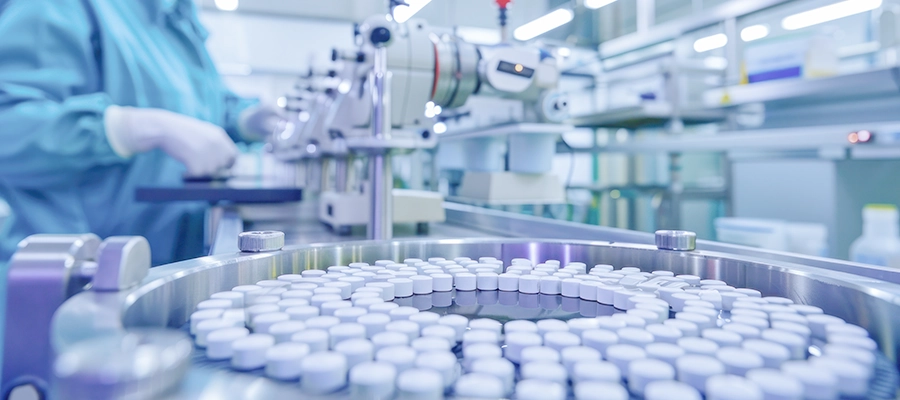
Modern pharmaceutical manufacturing requires carefully controlled processes. Equipment, production environments, operating procedures, and documentation all contribute to maintaining consistency.

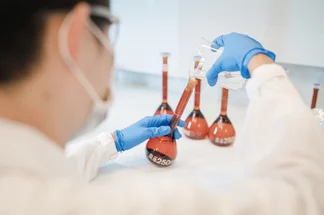
Quality control teams may conduct appropriate tests and inspections to evaluate whether products meet defined specifications.

Quality assurance, meanwhile, focuses on establishing systems and processes that help prevent quality-related issues.

Testing and Batch Consistency

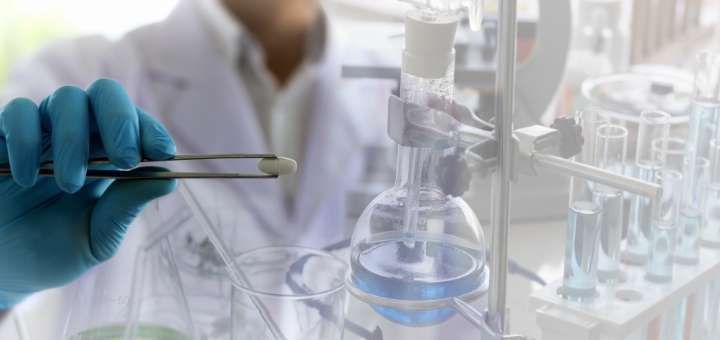
Pharmaceutical products are evaluated through appropriate testing procedures to verify characteristics such as identity, strength, purity, and other relevant quality parameters.

Batch-to-batch consistency is particularly important because healthcare professionals and consumers expect products to maintain reliable standards over time.

HN Cure Pharma's Commitment to Quality

At HN Cure Pharma, quality forms an important part of our commitment to healthcare. We focus on maintaining controlled processes, appropriate quality practices, and continuous improvement across our operations.

Our objective is to develop and provide pharmaceutical solutions that support the evolving needs of healthcare professionals and communities.